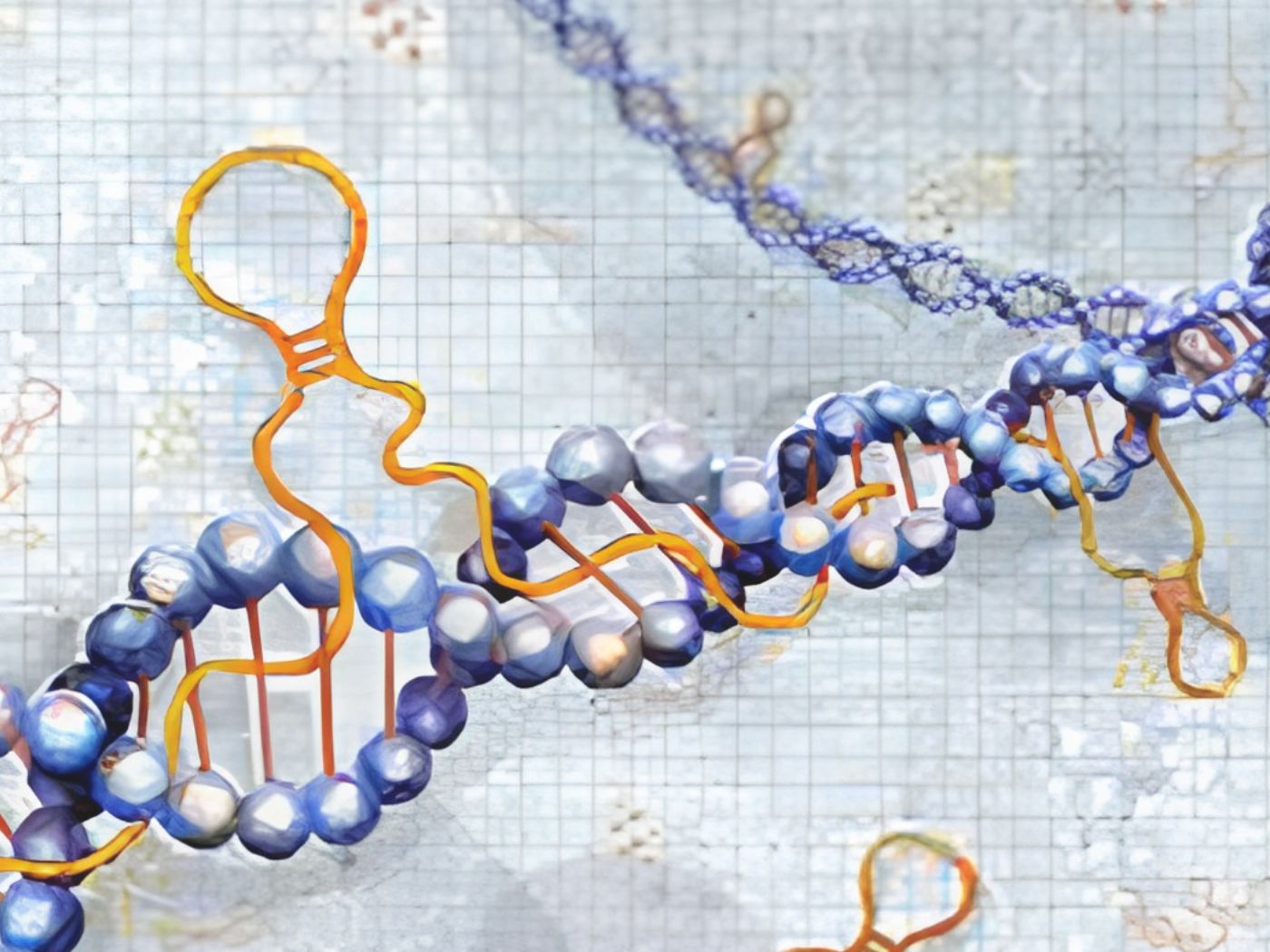
93% of the Human Genome Doesn’t Code for Proteins.
Why Does That Matter in Oral Cancer?
When most of us learned molecular biology, the focus was on genes that produce proteins.
Proteins regulate cellular function, control signalling pathways, and play important roles in health and disease. Naturally, they became the centre of attention in cancer research.
But what if some of the most important molecules involved in oral cancer don’t produce proteins at all?
This question formed the basis of a recent Oral Pathology Tuesdays session by Prof. Kiran Kumar from SDM Dental College, Dharwad, who explored the emerging role of long non-coding RNAs (lncRNAs) in oral squamous cell carcinoma.
The “Silent” Majority of the Genome
Only a small proportion of the human genome directly codes for proteins.
Much of the remaining genome produces molecules known as non-coding RNAs. Among these are long non-coding RNAs (lncRNAs)—RNA molecules that do not translate into proteins but can influence how genes behave.
For many years, these molecules received relatively little attention.
Today, researchers recognize that lncRNAs may play important roles in regulating cellular activity, including processes involved in cancer development and progression.
Why Are Researchers Interested in lncRNAs?
Research suggests that lncRNAs can influence gene expression through multiple mechanisms.
Some may promote tumour growth, invasion, epithelial–mesenchymal transition, and metastasis.
Others may help suppress tumour development.
Rather than being passive bystanders, these molecules appear to participate in some of the very processes that determine how cancers behave.
Could lncRNAs Help Shape the Future of Oral Cancer Diagnosis?
One of the most exciting areas of investigation is the potential use of lncRNAs as biomarkers.
Because certain lncRNAs can be detected in saliva and blood, researchers are exploring whether they might contribute to earlier diagnosis, improved prognostic assessment, and more personalised approaches to patient care.
Although much work remains before these applications become part of routine clinical practice, the field is advancing rapidly.
Learn More
If this topic is new to you, or if you would like a deeper understanding of the biology, mechanisms, and clinical significance of long non-coding RNAs in oral cancer, we invite you to explore our on-demand course:
Silent Signals: Decoding Long Non-Coding RNAs in Oral Cancer
Faculty: Prof. Kiran Kumar, MDS, PhD
In this course you will:
- Learn the fundamentals of long non-coding RNAs (lncRNAs)
- Explore their role in oral squamous cell carcinoma
- Understand how they influence gene expression and cancer pathways
- Review their potential as diagnostic, prognostic, and therapeutic targets
🎥 Watch the lecture free on Oromed 360 Academy
📝 Complete the optional self-assessment quiz
📜 Obtain a Certificate of Completion through the Academy certificate pathway
Whether you are a postgraduate student, researcher, faculty member, or clinician interested in oral cancer and molecular pathology, this course offers an accessible introduction to one of the most rapidly evolving areas of oral cancer research.

You may also like

Could Routine Dental Decisions Have Medico-Legal Consequences?