
Recognizing Early Warning Signs of Depression and Suicidal Ideation in Students
A vital session to equip educators with tools to identify early signs of depression and suicidal ideation among students. Open to all health sciences faculty.

Overview
On-Demand Learning Session • Free to Watch • Certificate Optional
Faculty and educators are often among the first to notice when a student is struggling — changes in behaviour, mood, performance, withdrawal, or comments that suggest deeper distress.
But recognising that something is wrong is only the first step. The harder questions are often:
Is this normal stress? Could this be depression? Is there a risk of self-harm? What should I say, and when should I refer?
In this practical on-demand session, Dr Malik Merchant, moderated by Dr Esther Nalini, explores how educators can recognise early warning signs of depression and suicidal ideation in students and respond safely, appropriately, and within professional boundaries.
You will learn how to:
- recognise early signs of depression and suicidal ideation
- distinguish academic stress from more serious warning signs
- communicate with a student in distress
- know when referral or urgent escalation is needed
- support students without overstepping your role
Who is this for?
Faculty, clinical educators, academic mentors, postgraduate guides, and administrators across health-science disciplines.
Access
Watch the full session free — no registration required.
Interested in related professional wellbeing topics?
Join our upcoming live course, Recognising and Managing Stress and Burnout in Health Professionals, with Dr Sandip H Shah on 9 October 2026.
Early registration: ₹400 / US$8 until 30 September
View course and enrol
Curriculum
- 2 Sections
- 2 Lessons
- 4 Weeks
- Recognizing Early Warning Signs of Depression & Suicidal Ideation in StudentsSupporting students goes beyond academics. Faculty members are often the first to notice changes in behaviour, mood, or performance that may signal deeper struggles. Yet many educators feel unsure about how to respond — how to recognise early warning signs, what to say, and when to seek professional help. This faculty development webinar on student mental health is designed to equip faculty, postgraduate guides, and mentors with the awareness and confidence to identify potential concerns early and respond with empathy and clarity. The session will focus on practical skills that help create safe, supportive learning environments while maintaining academic standards.1
- Summary + Quiz to Unlock Your Certificate1
Target audiences
- Educators in all fields
- Faculty across health sciences
- Clinical educators
- Academic mentors
- administrators across health sciences
You May Like
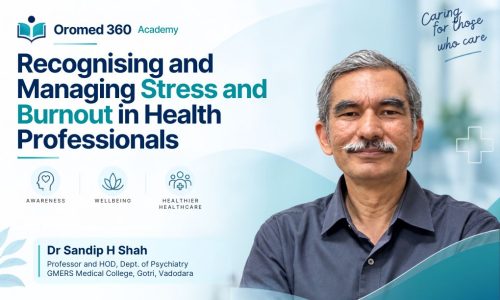

Recognising and Managing Stress and Burnout in Health Professionals
Live online session: 9 October 2026 | 17:30–19:00 IST The course will be conducted live, and enrolled participants will have access to the recording for at...

Course Features
- Lectures 2
- Quiz 0
- Duration 4 weeks
- Skill level All levels
- Language English
- Students 80
- Certificate Yes
- Assessments Yes
A very eye-opening session that helped me realize how small behavioral changes in students can signal deeper distress. Learnt how empathy and timely communication can make real difference