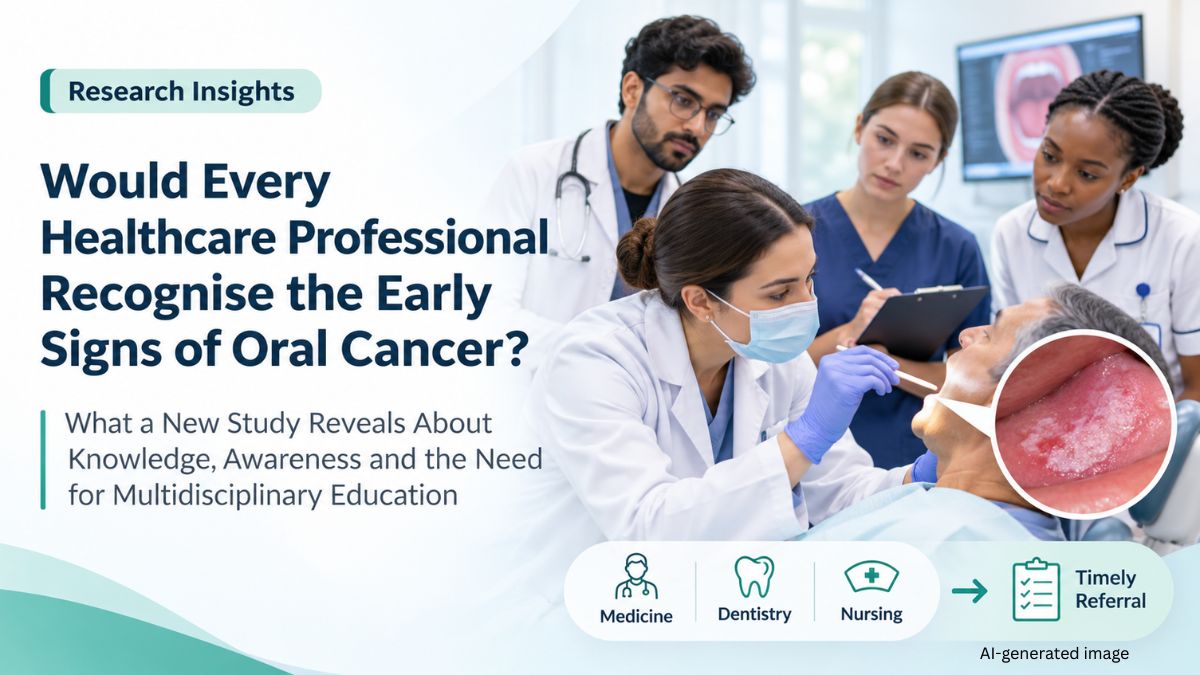
Are future healthcare professionals adequately prepared to recognise the early signs of oral cancer? A new multicentre study reveals gaps in knowledge, awareness and reported practices among healthcare students. We explore what the findings mean for clinical recognition, timely referral and multidisciplinary education—and why knowing the warning signs may not be enough.
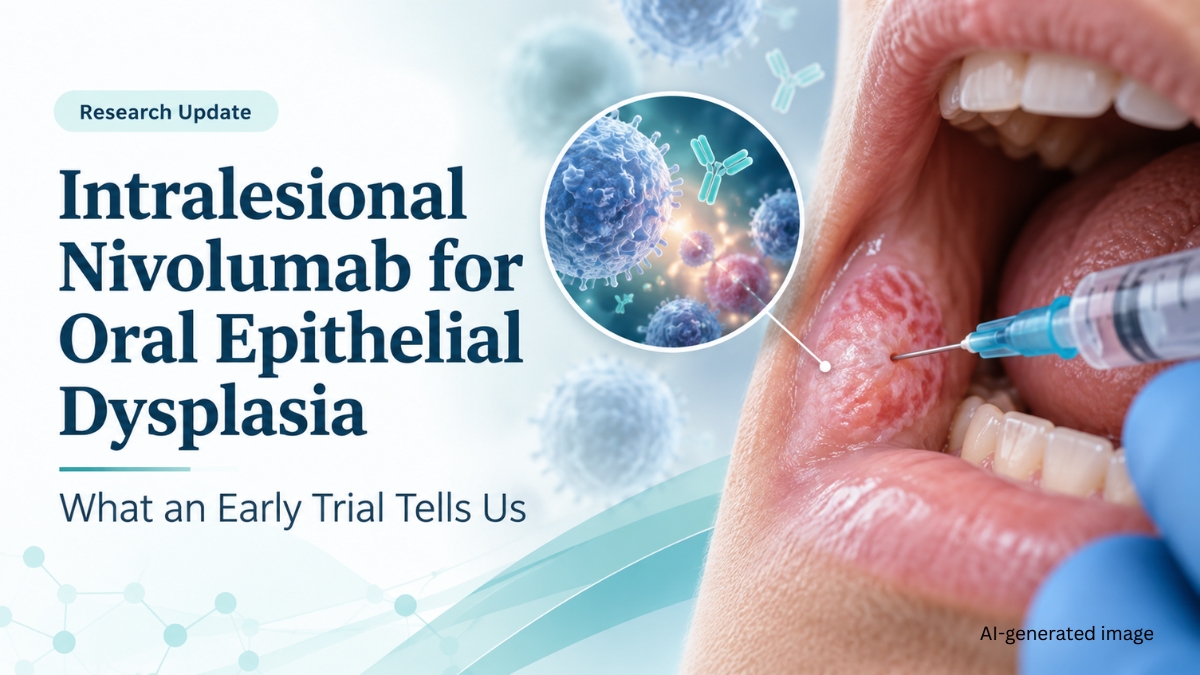
Can intralesional immunotherapy change how we manage oral epithelial dysplasia? An early clinical trial of nivolumab reports encouraging results in lesion reduction and histological improvement. We examine the findings, safety considerations, and the critical question: can these responses actually reduce the risk of oral cancer?
Everyday decisions about consent, clinical records, referrals, communication and complications can carry medico-legal consequences. Explore the questions every dentist should be prepared to consider.
Stress and burnout in healthcare can affect far more than professional performance. They can influence quality of life, relationships, wellbeing, teamwork, and the care environment itself. This article explores how to recognise the warning signs in ourselves and others, why organisations also have a role to play, and why earlier recognition matters.
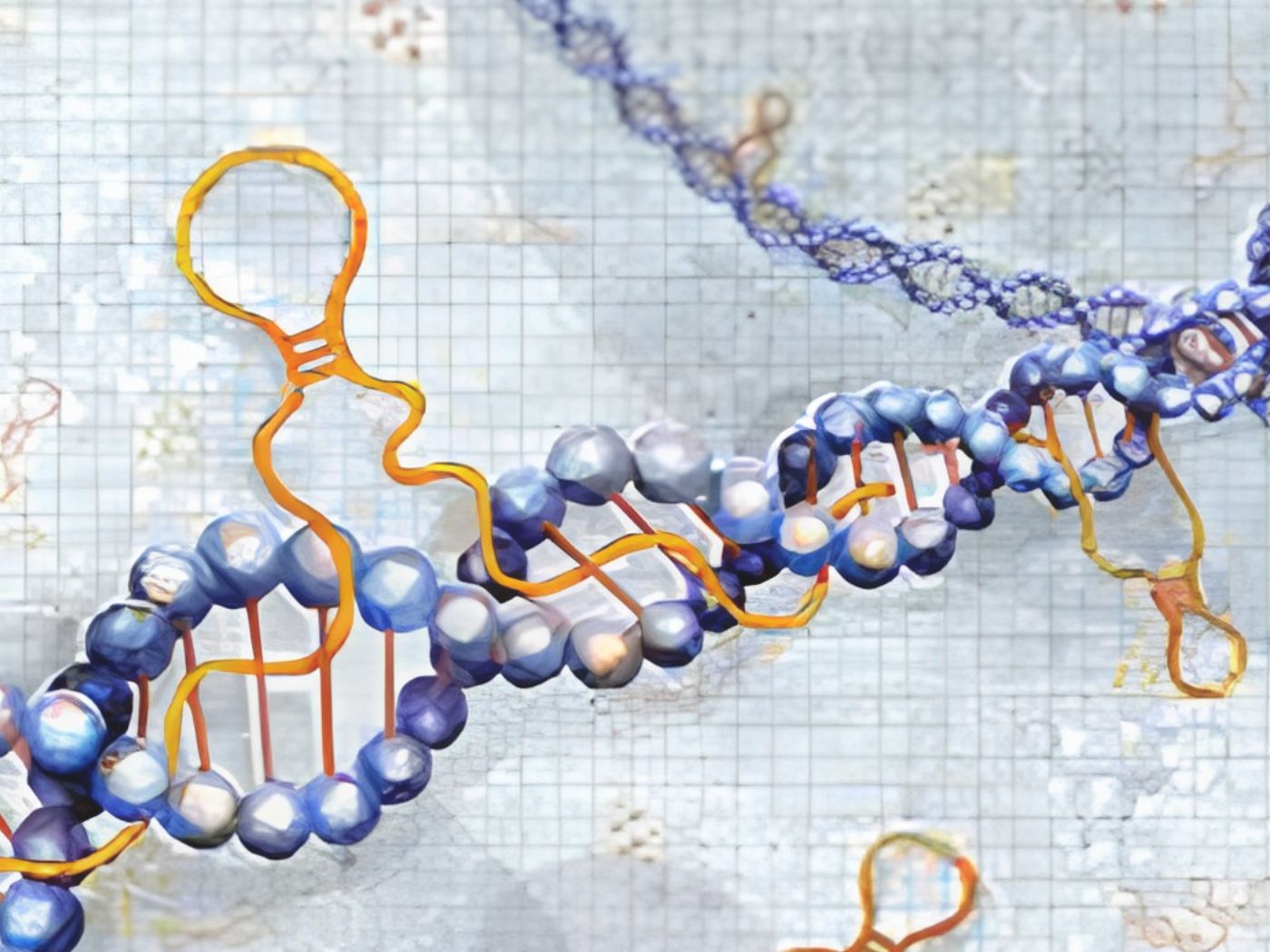
Why Does That Matter in Oral Cancer? When most of us learned molecular biology, the focus was on genes that produce proteins. Proteins regulate cellular function, control signalling pathways, and play important roles in health and disease. Naturally, they became …